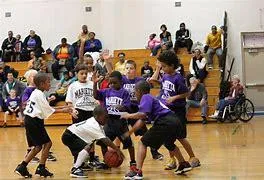
Basketball in Their Hands: Developing Consistent Habits

Basketball in Their Hands: Developing Consistent Habits
As a high school basketball coach, I've seen countless young athletes come and go, each with their unique talents and aspirations. One common thread among the most successful players isn’t just natural ability or early mastery of fundamentals, but the consistent habits they develop from a young age. Middle school is a crucial time for building these habits, setting the stage for long-term growth and success in basketball.
The Power of Consistent Habits
Consistency is the backbone of improvement in any sport, and basketball is no exception. For middle school players, this means integrating basketball into their daily routines. It's not just about the quantity of practice, but the regularity and intentionality behind it. Here’s why consistent habits are so vital:
1. Muscle Memory: Regularly handling the basketball helps young players develop muscle memory. This means that over time, dribbling, shooting, and passing become second nature. This is crucial in high-pressure game situations where there's no time to think, only to react.
2. Confidence Building: Repetition breeds confidence. When players consistently practice, they become more confident in their abilities. This confidence translates to better performance during games. A player who knows they've put in the time and effort will trust their skills when it matters most.
3. Incremental Improvement: Small, daily improvements add up over time. By practicing a little bit each day, players can make significant progress without feeling overwhelmed. This steady improvement is far more sustainable than sporadic, intense practice sessions.
Developing a Routine
For middle school athletes, developing a daily basketball routine can be both fun and manageable. Here are some tips for creating consistent habits:
1. Daily Touches: Encourage players to touch the basketball every day. This could be as simple as dribbling in the driveway, practicing free throws, or playing a game of one-on-one with a sibling or friend. The goal is to make the basketball feel like a natural extension of themselves.
2. Set Small Goals: Help players set achievable, short-term goals. Whether it’s making 50 free throws a day or dribbling for 10 minutes without losing control, these small targets can keep them motivated and provide a sense of accomplishment.
3. Incorporate Variety: To keep practice interesting, vary the activities. One day might focus on shooting, another on ball-handling drills, and another on footwork. This variety prevents burnout and keeps young players engaged.
4. Reflect and Adjust: Encourage players to reflect on their progress. Are they finding certain drills too easy or too challenging? Adjustments should be made to keep them appropriately challenged and progressing.
The Role of Parents and Coaches
Parents and coaches play a crucial role in fostering these consistent habits. As a coach, I always emphasize the importance of a supportive environment. Here’s how you can help:
1. Positive Reinforcement: Celebrate small victories and improvements. Positive reinforcement can go a long way in maintaining a young athlete’s motivation.
2. Set an Example: Show commitment through your actions. Be consistent in your coaching and support, demonstrating the value of regular practice and dedication.
3. Create Opportunities: Provide opportunities for players to engage with basketball outside of formal practice. This could be through pickup games, basketball camps, or simply making time for them to play at home.
Long-Term Benefits
The benefits of these consistent habits extend far beyond middle school. Players who develop a strong routine early on are more likely to stick with the sport through high school and beyond. They build a strong work ethic, learn the importance of perseverance, and develop time-management skills that will serve them well in all areas of life.
Moreover, these habits lay the foundation for advanced skills and strategic understanding of the game. Once the basics are second nature, players can focus on refining their technique and learning complex plays, setting them up for greater success as they mature.
Conclusion: The Ripple Effect of Daily Habits
In the end, the journey to becoming a skilled basketball player starts with simple, consistent habits. For middle school players, the emphasis should be on regular engagement with the basketball, developing a routine that feels natural and enjoyable. The earlier these habits are formed, the more deeply ingrained they become, leading to greater comfort and proficiency with the ball.
To all young players and their parents: remember, the key to success isn’t just in the big moments or the intense practice sessions, but in the daily commitment to improvement. Every day with a basketball in your hands is a step closer to achieving your goals on the court and beyond. Keep at it, stay consistent, and enjoy the journey.


